Why shouldI care? — A Nature Connection Inquiry
We have built a world that forgets it is made of soil. Connection is not a luxury; it is the raw texture of survival. Step beneath the trees and ask: what remains when the signal dies?
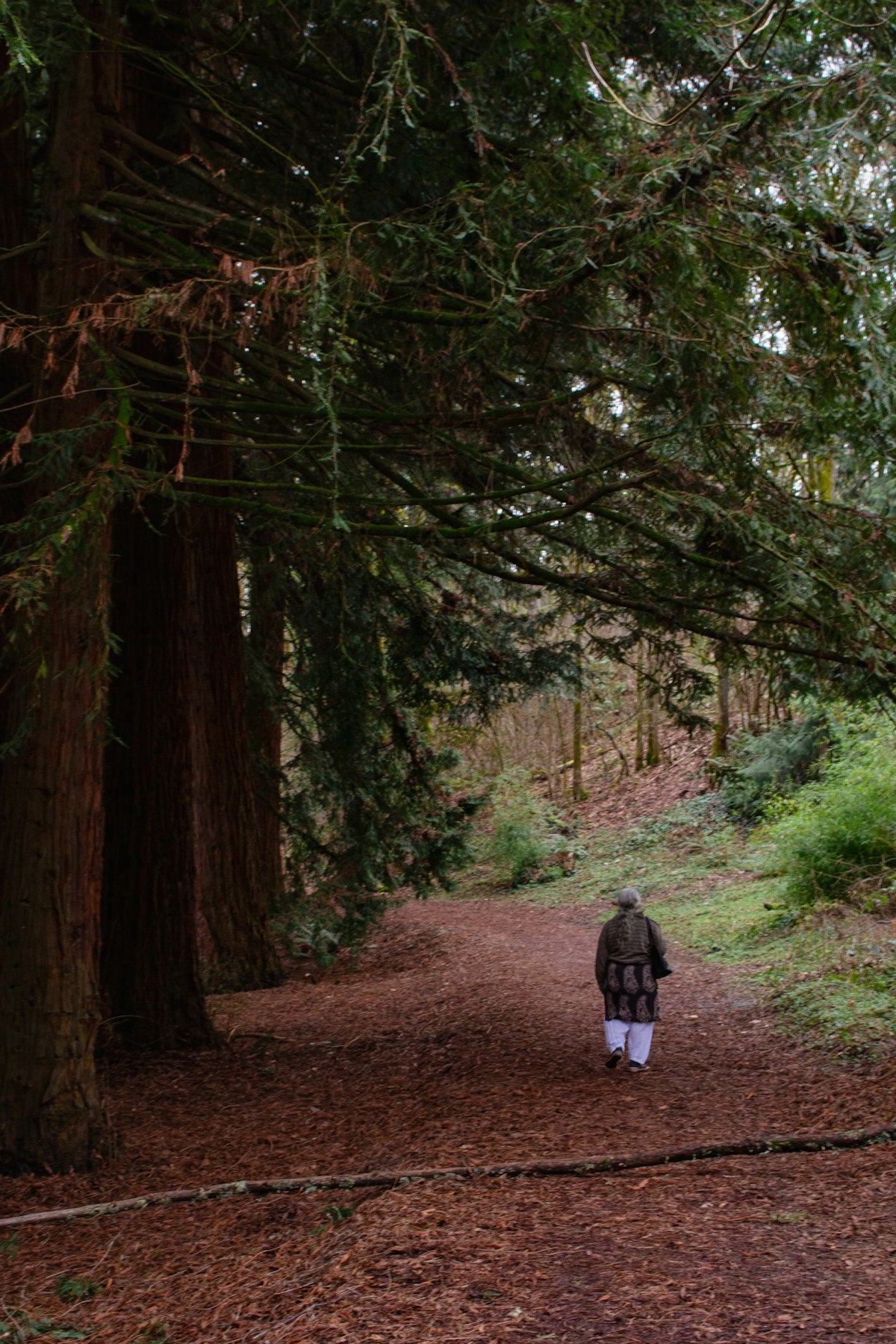
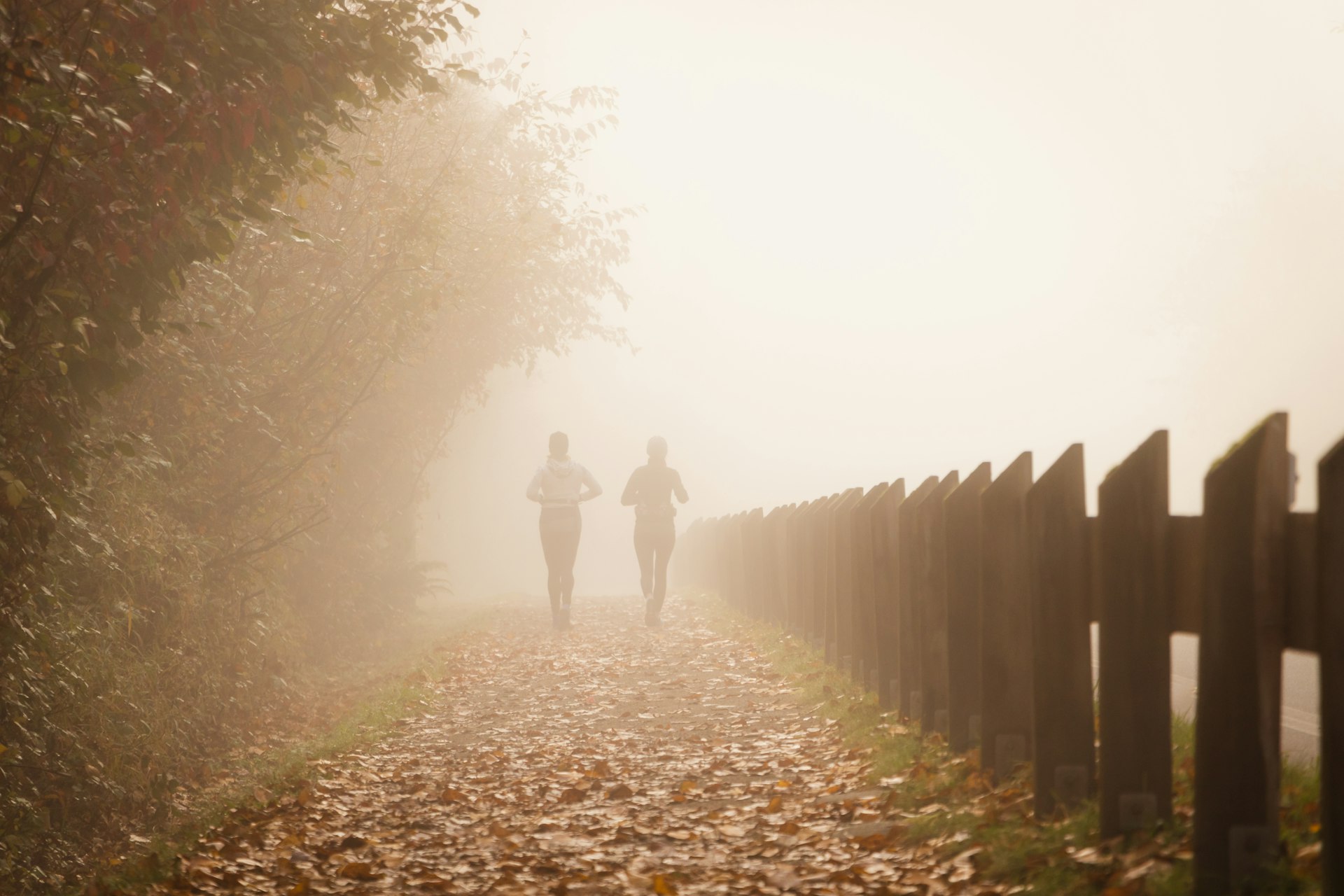
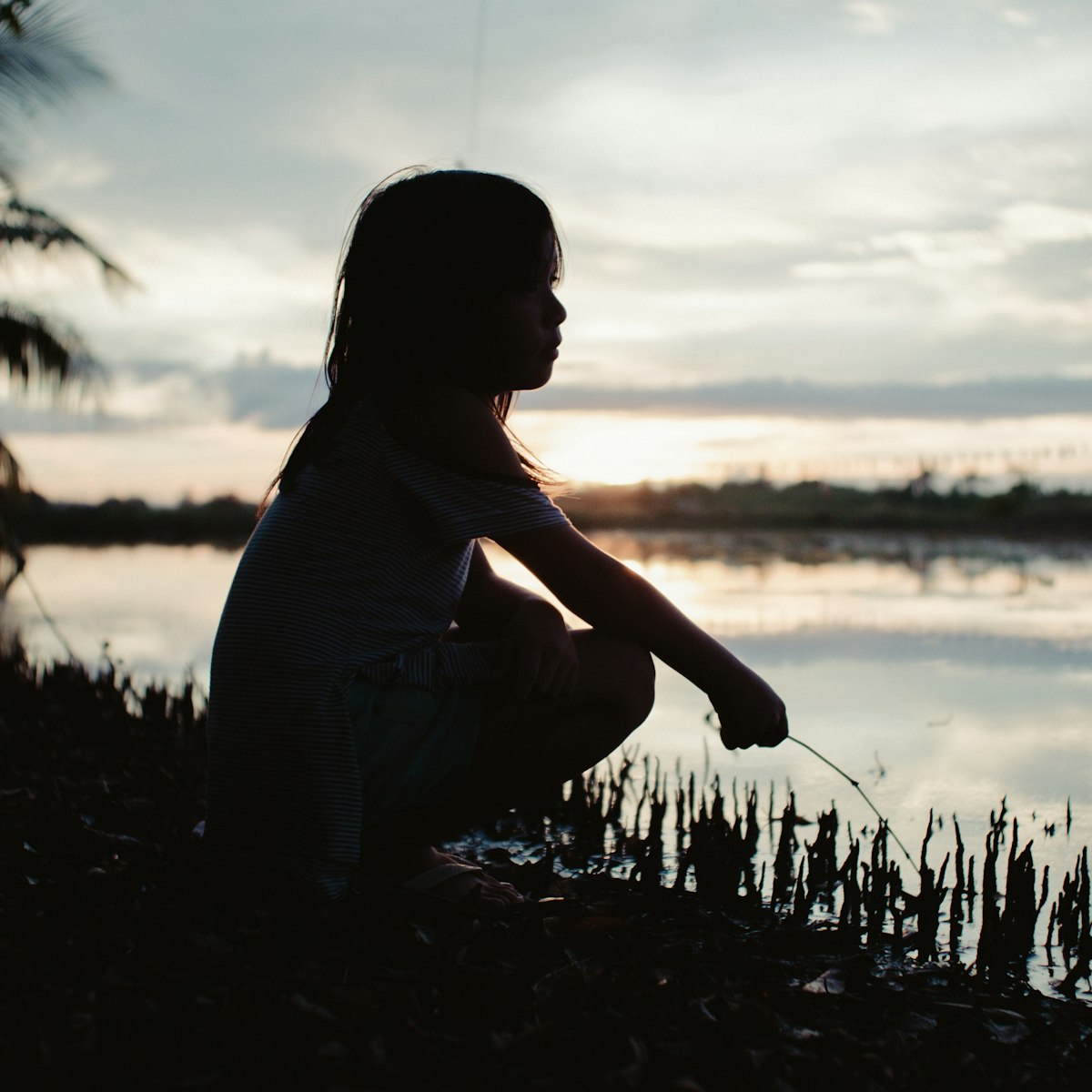
Environmentalism failed because it spoke in data points when it should have spoken in heartbeats.
We are not "protecting the environment." We are remembering we are the environment. Every breath is a shared chemical exchange with a cedar tree you will never meet.
This project is an audit of your sensory attachment to the living world. Not to grade you, but to ground you. To find where you stand on the spectrum between the digital ghost and the rooted animal.
The Archetypes
04 ProfilesDigital Ghost
Nature is a wallpaper — a destination to visit, not a state of being. The screen is the primary habitat.
Low connectedness
The Naturalist
You know the names of birds but rarely feel their flight. You document the world to understand it, more than to inhabit it.
Moderate — cognitive
The Wanderer
You go to nature to feel something missing. The landscape is a mirror; the trail, a kind of prayer.
High — experiential
Soil-Tender
The boundary is blurring. You read the seasons in your joints and in the slant of the light.
High — integrated
This inquiry is an extension of that work, a small, honest invitation to locate yourself inside the living world before deciding what to do next.
Items draw from the Nature Relatedness Scale (NR-6), the Connectedness to Nature Scale, and the Inclusion of Nature in Self measure, with thematic prompts grounded in biophilia research and contemporary writing on the sensory and sacred dimensions of the living world.
- Meta-analysis of human connection to nature and proenvironmental behaviorWhitburn, Linklater & Abrahamse, 2020 · Conservation Biology 34(1)
- The role of connection with nature in empirical studies with physiological measurements: a systematic literature reviewGál & Dömötör, 2023 · Biologia Futura
- Measuring Connection to Nature — An Illustrated Extension of the Inclusion of Nature in Self ScaleKleespies, Braun, Dierkes & Wenzel, 2021 · Sustainability 13(4):1761
- Psychometric Validation of a Game-Based Testing Instrument to Measure Preschool Children's Environmental Knowledge and Connection to NatureMacKeen, Wright, Séguin & Cray, 2022 · International Journal of Early Childhood Environmental Education
- Nature connection, pro-environmental behaviours and wellbeing: Understanding the mediating role of nature contactLiu, Cleary, Fielding, Murray & Roiko, 2022 · Landscape and Urban Planning 228
- Capturing nature connectedness: Validity and utility of the Dutch Nature Connection Indexvan den Bogerd, Richardson, Bentvelsen, Holtmaat, Labib & Maas, 2025 · Journal of Environmental Psychology 106
In your own words, why should you care?
Before you take the survey, leave a sentence, a memory, a fragment. Anonymous contributions become part of the inquiry's living archive.
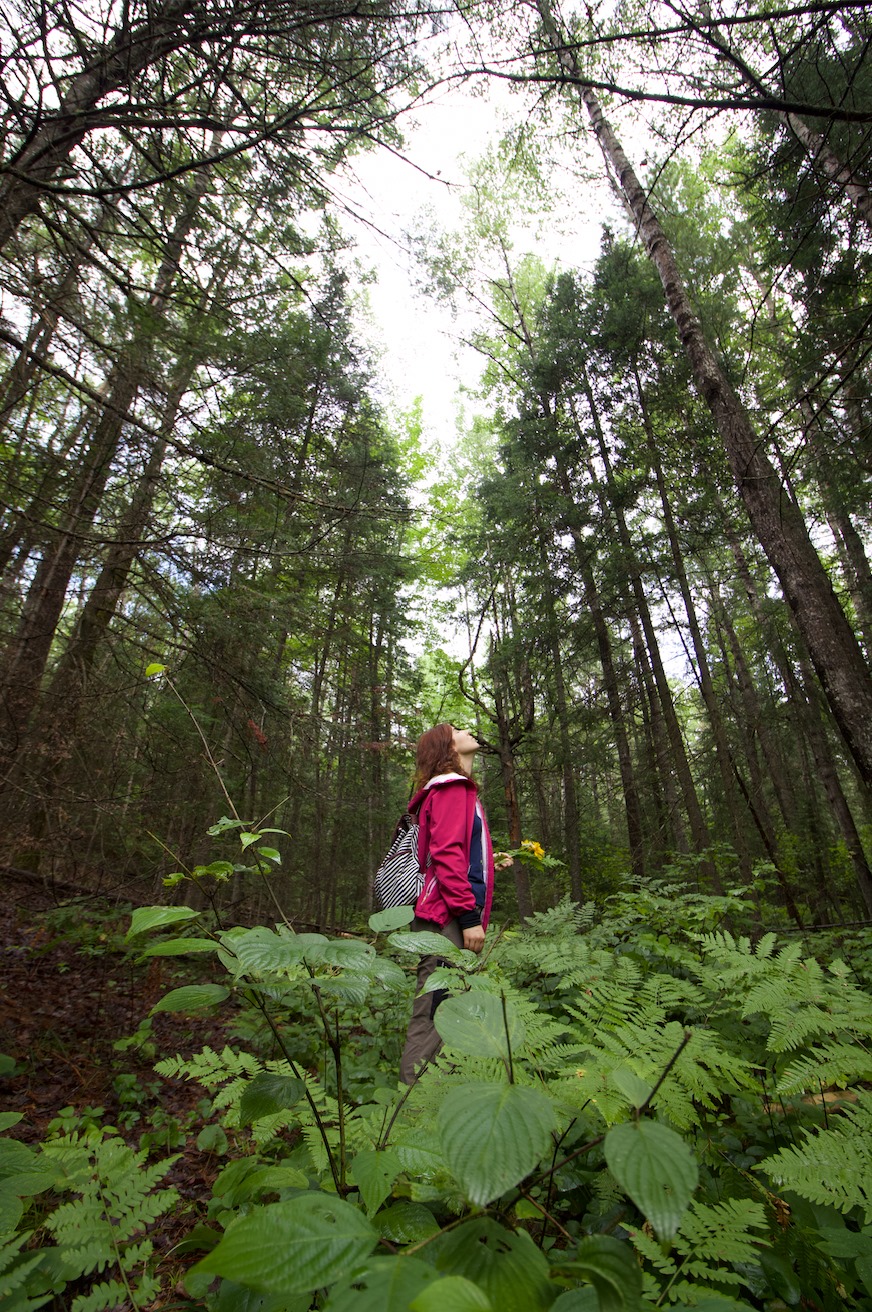
I'm Sara Rego — founder and host of We Need to Act, a sustainability education podcast.
My work sits at the intersection of climate, environmental justice, and the knowledge of Indigenous and local cultures. Through long-form conversations with scientists, activists, and community leaders across the world, I look for what moves people from awareness to action.
"Understanding the challenges we face and their impact on people's daily lives is crucial. When individuals recognize how these issues relate to their own experiences, they become more emotionally engaged and willing to change their behaviors and take meaningful action."
This inquiry is an extension of that work — a small, honest invitation to locate yourself inside the living world before deciding what to do next.
Invite Sara to a conversation.
Podcasts, panels, workshops, classrooms, community gatherings. Tell me what you're organising and I'll get back to you within a few days.
Identify your connection.
A 30-question, research-grounded inquiry into your ecological self.